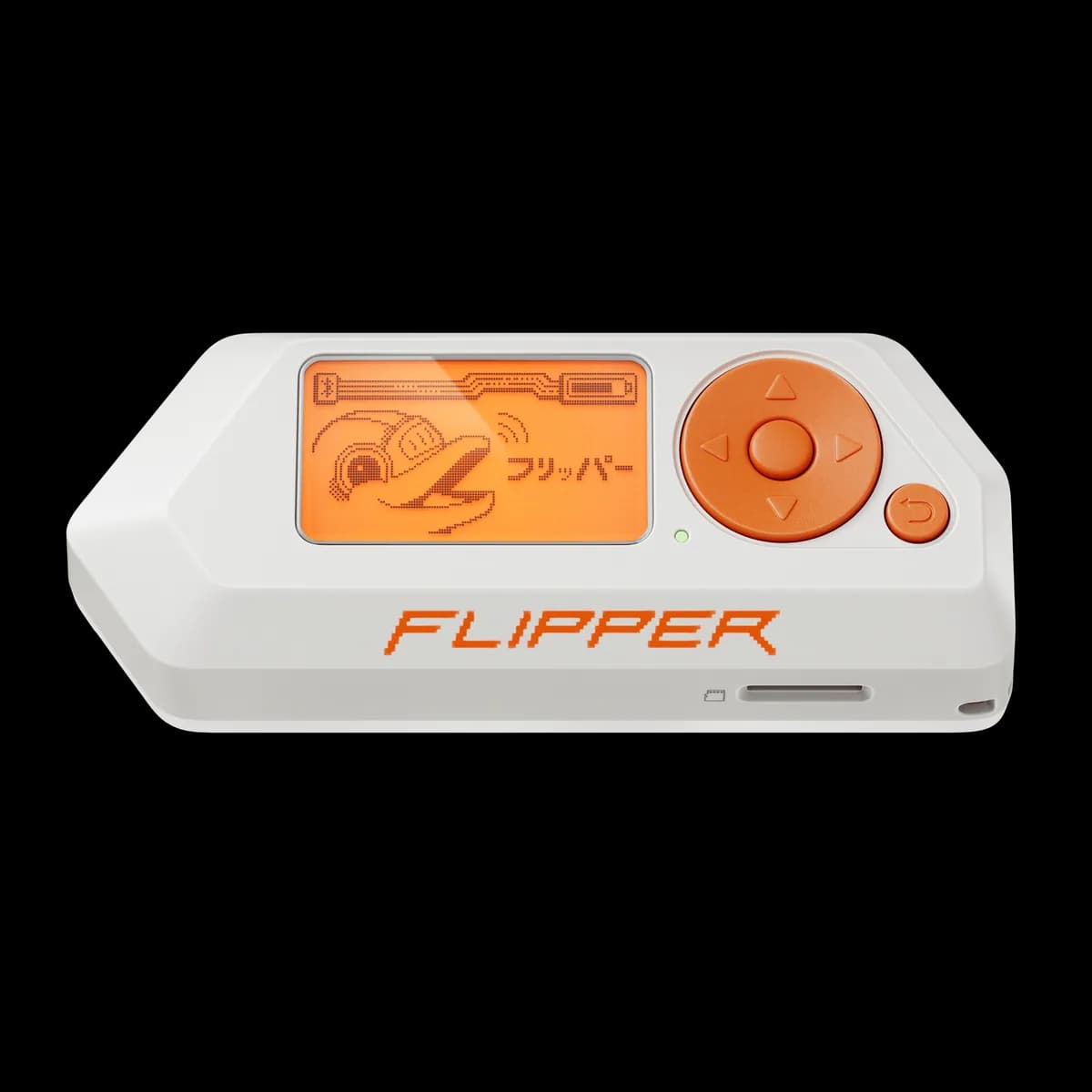
Flipper Zero
Pocket hardware multi-tool with Sub-GHz radio, 125 kHz RFID, NFC, infrared, iButton, USB and GPIO interfaces.
- Platform
- STM32WB55 (Arm Cortex-M4/M0+) running Flipper firmware
- Builds
- 05
Pick a programmable gadget, then follow it into the projects, code and practical guides that make it worth owning.
Browse all devices ↗Pocket hardware multi-tool with Sub-GHz radio, 125 kHz RFID, NFC, infrared, iButton, USB and GPIO interfaces.
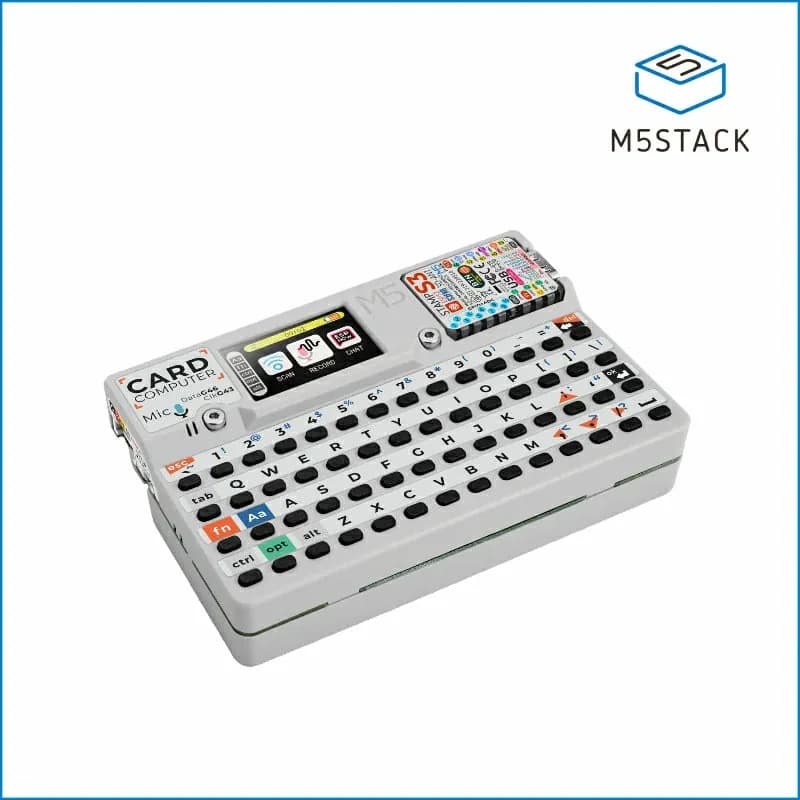
Pocket ESP32-S3 computer with a 56-key keyboard, 1.14-inch display, audio, infrared, microSD and expansion access.
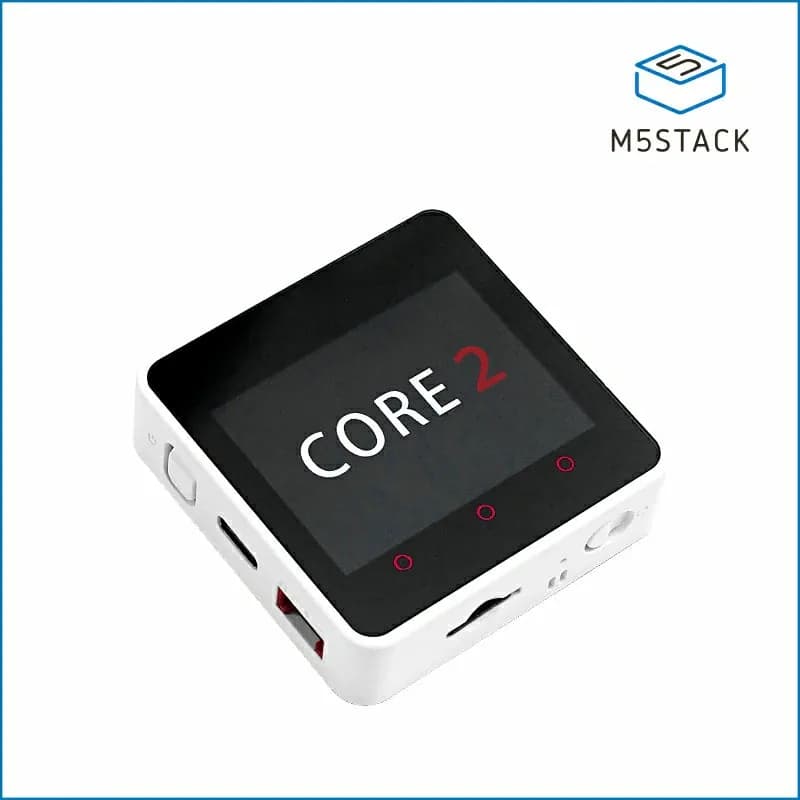
Stackable ESP32 IoT controller with a 2-inch capacitive touchscreen, battery, IMU, speaker and Grove expansion.
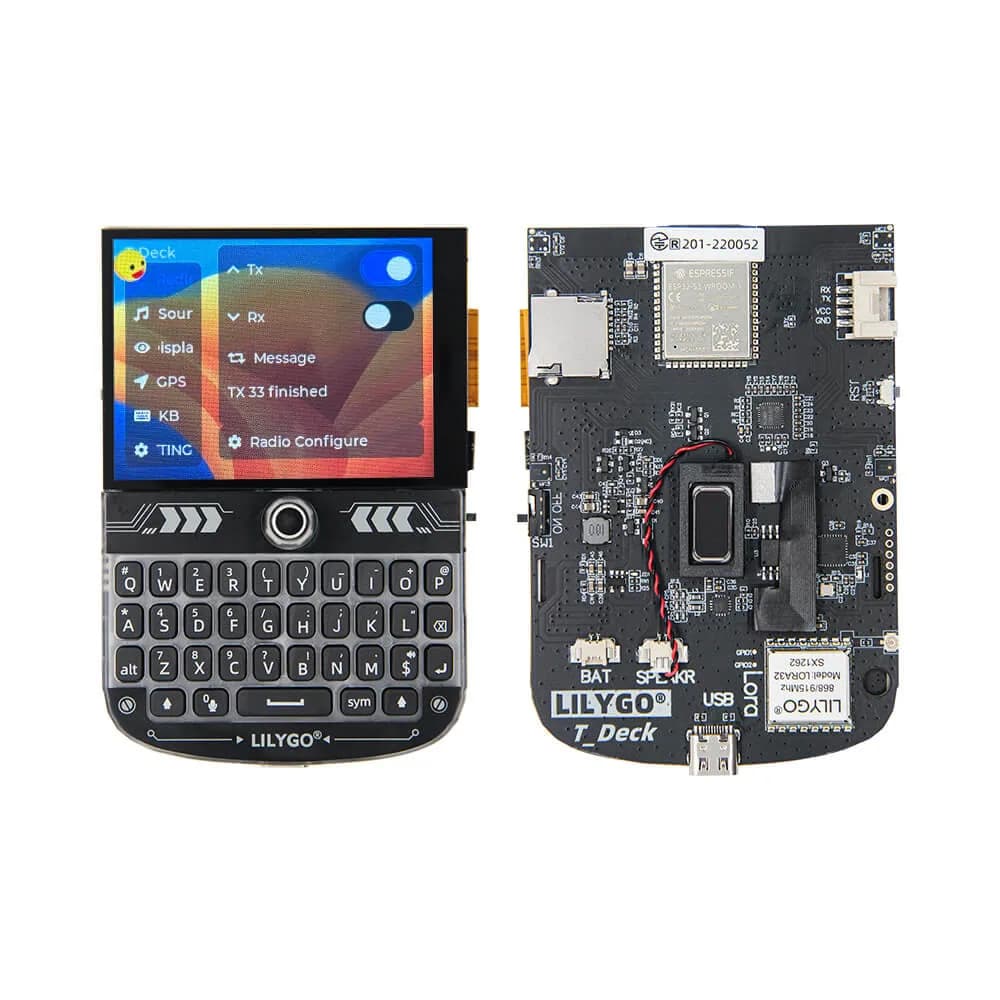
Pocket ESP32-S3 communicator platform with keyboard, trackball, 2.8-inch touchscreen, audio and optional LoRa radio.
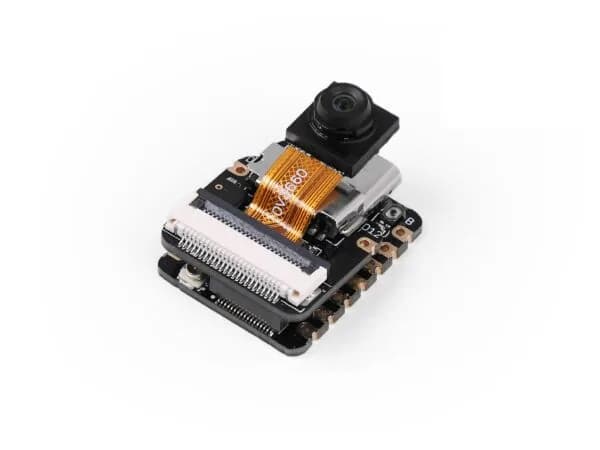
Thumb-sized ESP32-S3 board bundled with an OV2640 camera, digital microphone and microSD support for vision and audio projects.
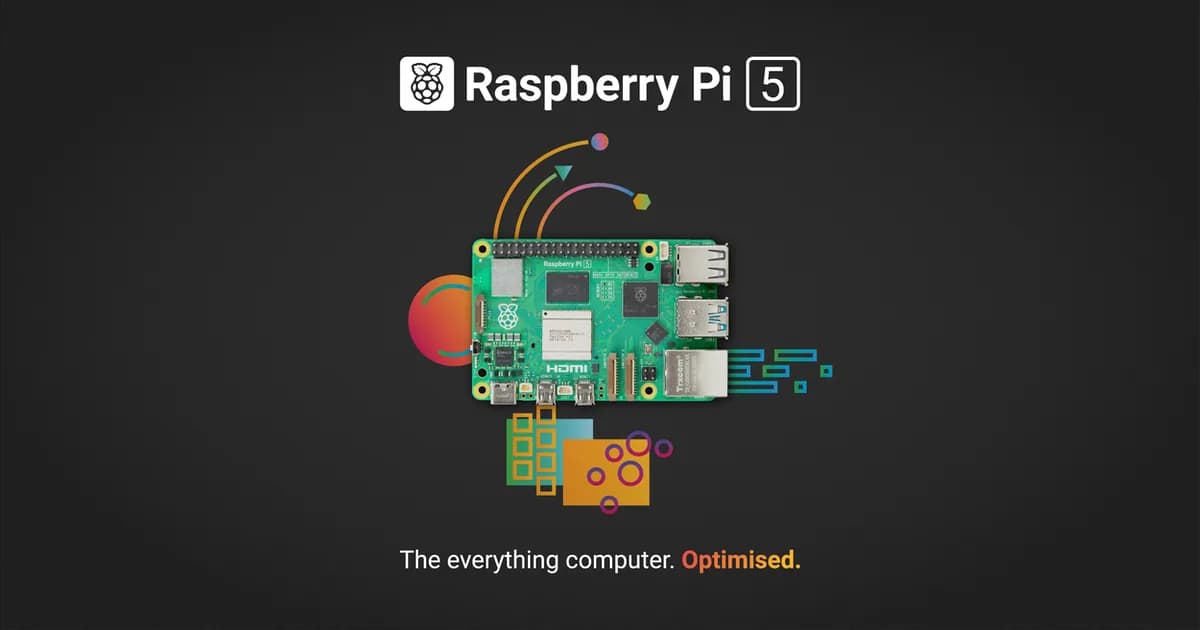
General-purpose Linux single-board computer with a quad-core Cortex-A76 CPU, dual 4K display output, GPIO and PCIe expansion.
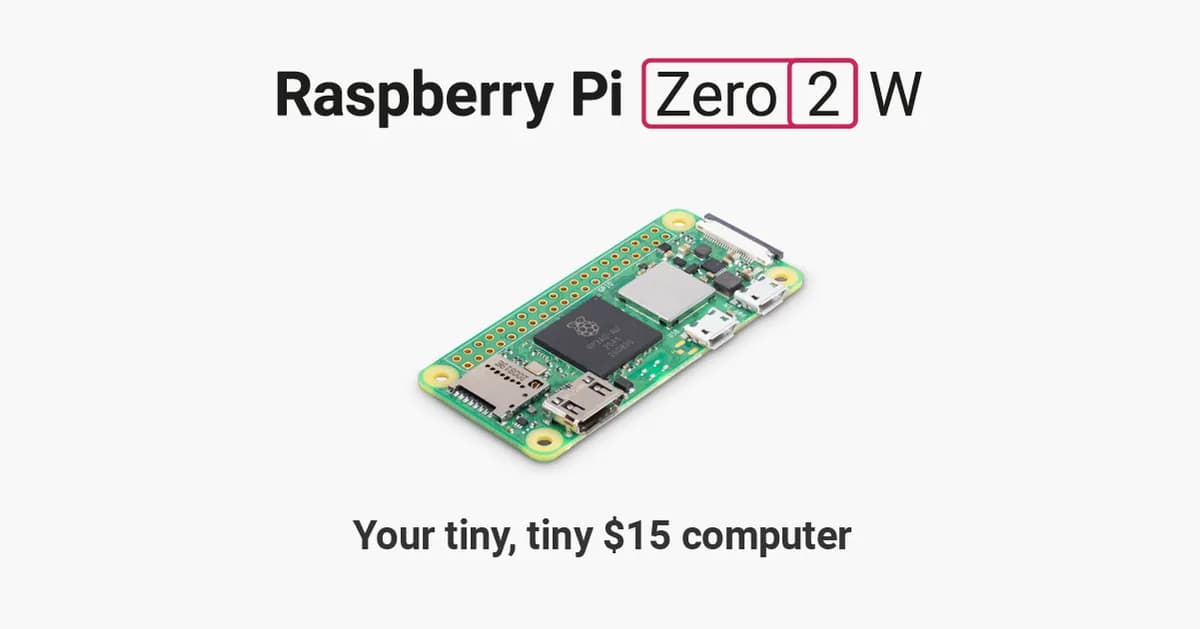
Compact Linux board with a quad-core Cortex-A53 processor, 512 MB RAM, Wi-Fi, Bluetooth and camera connectivity.
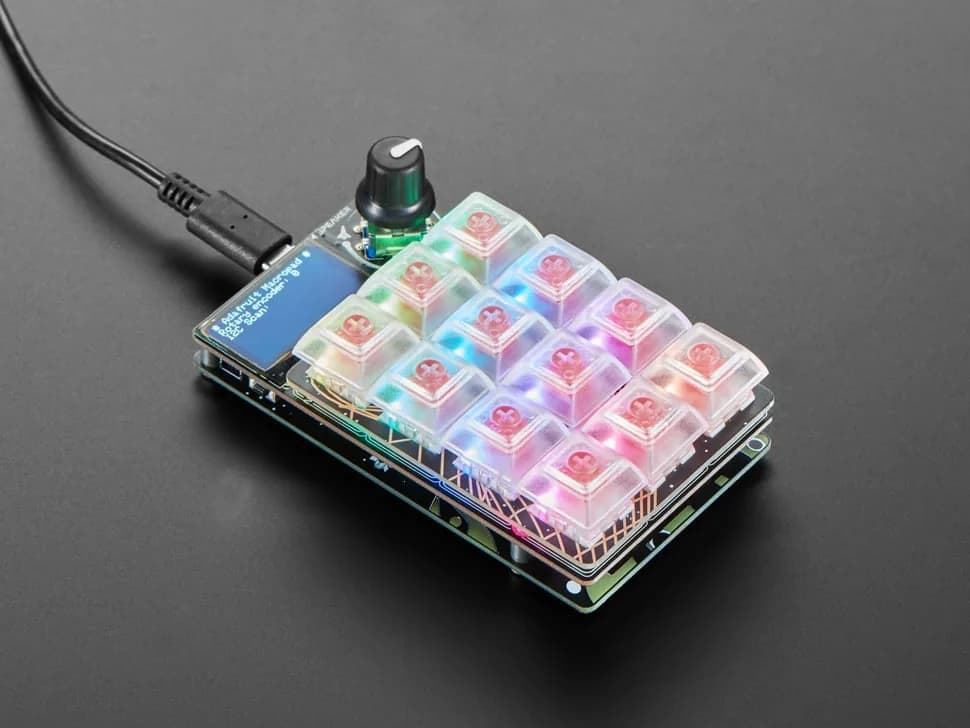
Programmable 3×4 mechanical-key macro pad with an RP2040, rotary encoder, OLED, RGB LEDs and speaker.
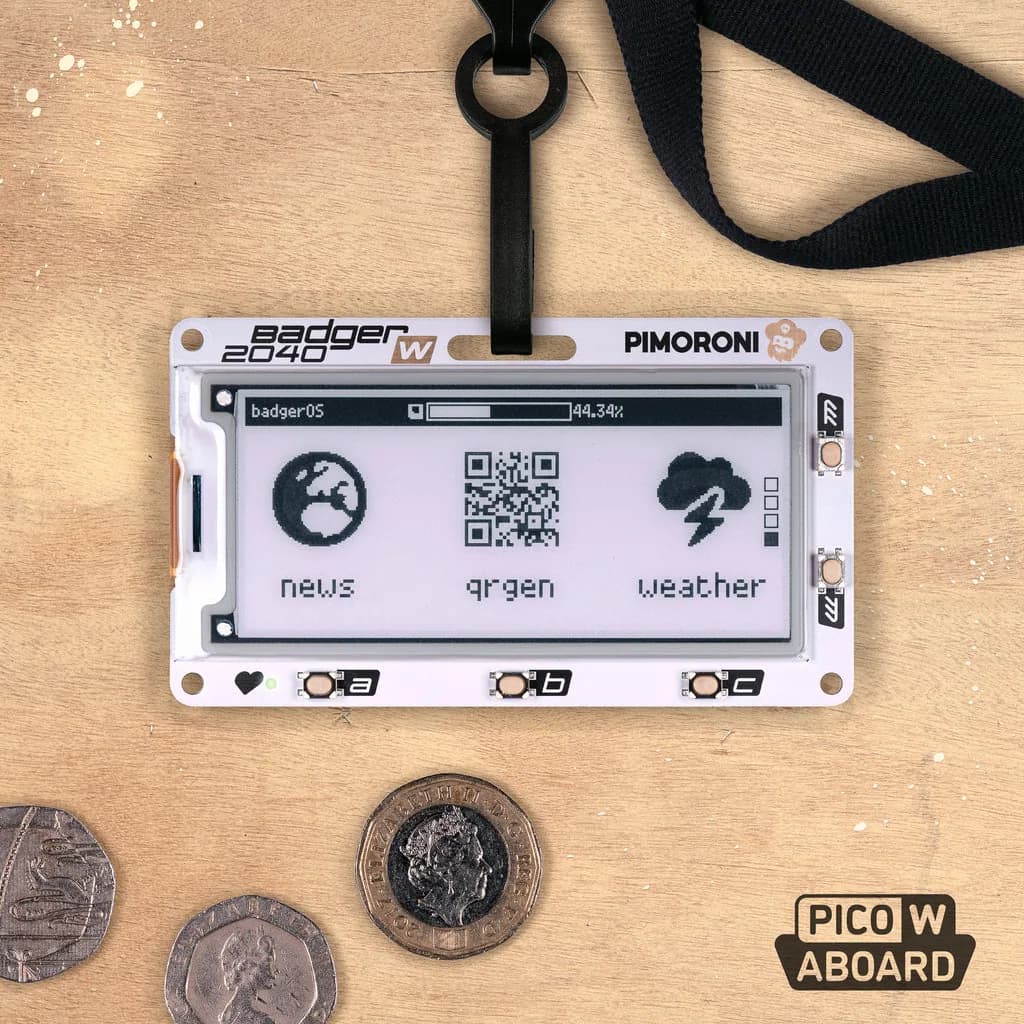
Wireless programmable e-paper badge with a 2.9-inch monochrome display, five front buttons and battery support.
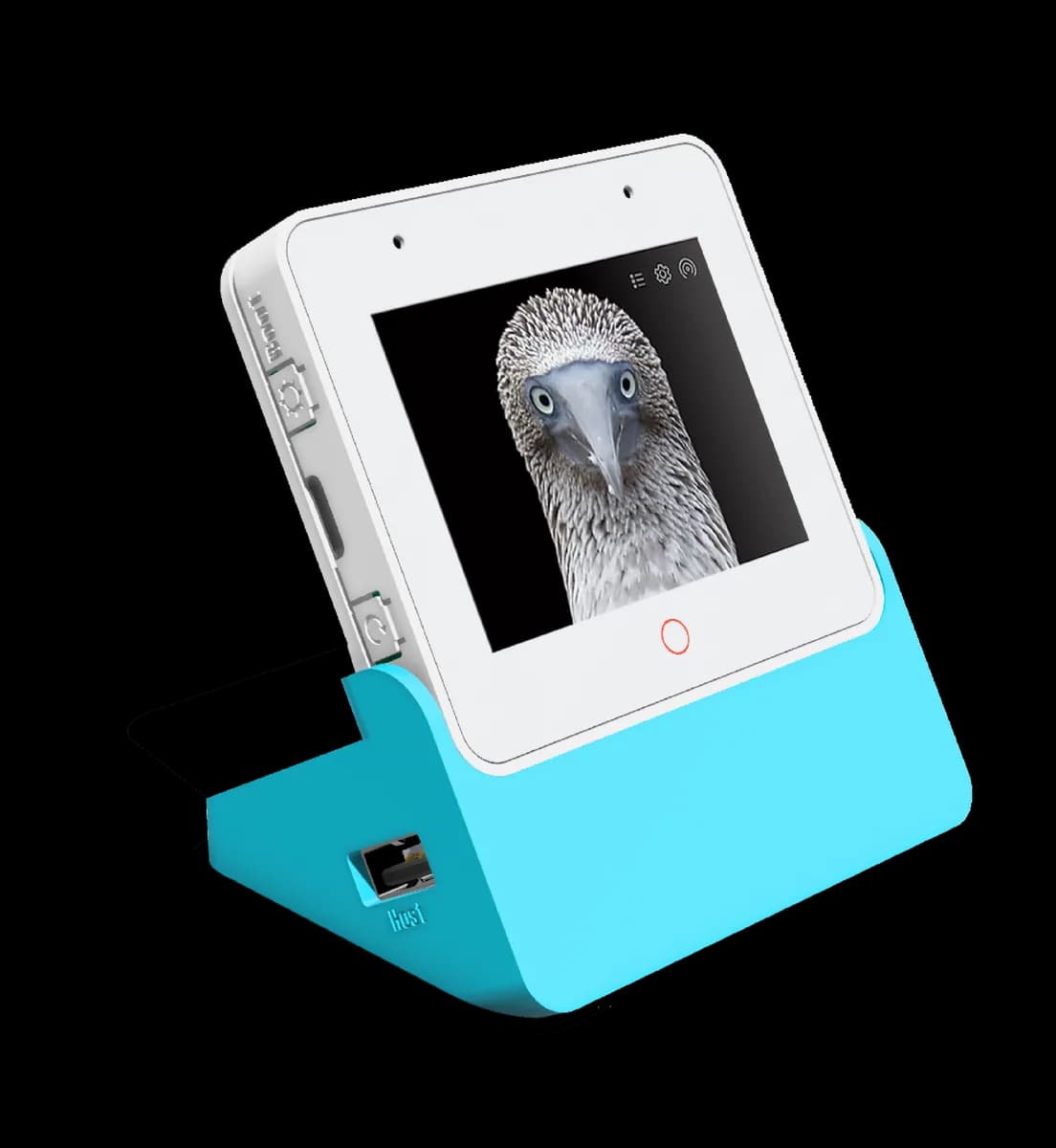
ESP32-S3 AIoT development kit with touchscreen, microphone array, speaker and modular sensor accessories.
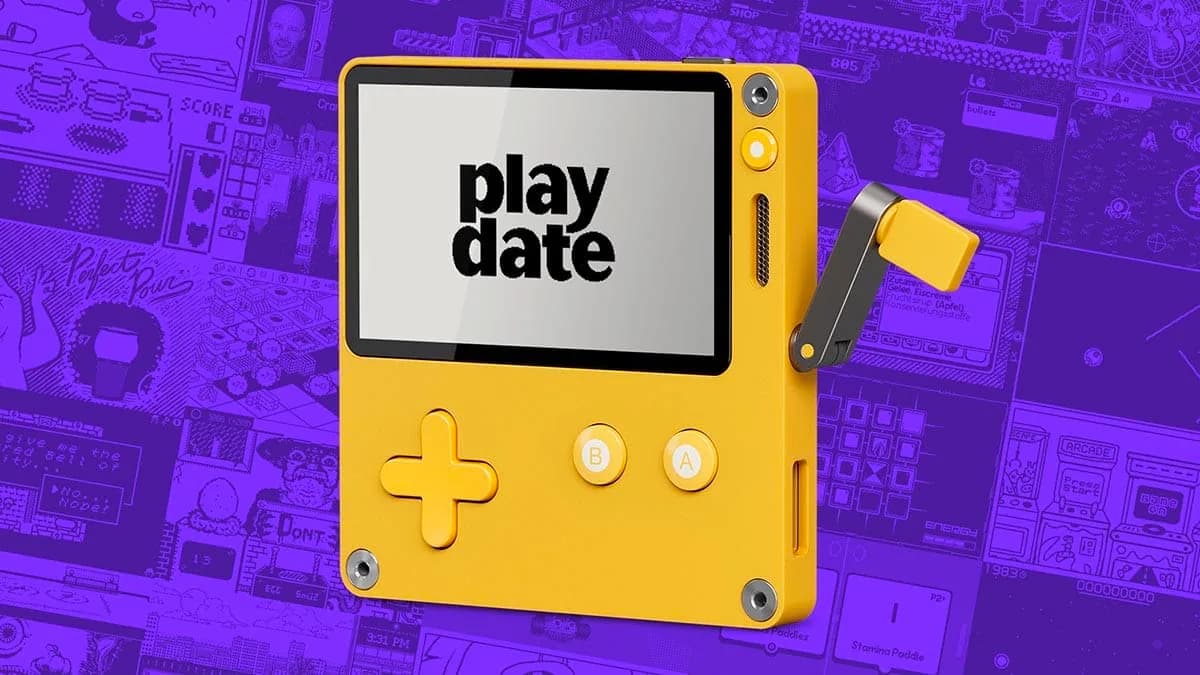
Pocket game console with a 1-bit 400×240 display, buttons, accelerometer, Wi-Fi and a side-mounted analog crank.
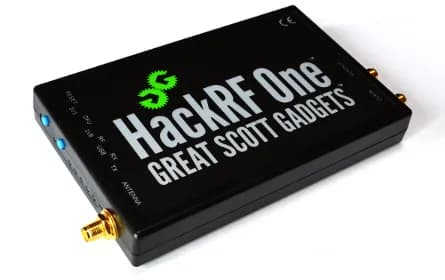
Open-source USB software-defined radio peripheral for half-duplex transmission or reception from 1 MHz to 6 GHz.
Open-source palm-sized companion robot using an M5Stack display as an animated face with servo-driven movement.
Run Meshtastic's open-source LoRa mesh firmware on supported T-Deck hardware for off-grid text and telemetry.
Build a modular full-screen information dashboard commonly mounted behind a two-way mirror.
Continuously identify nearby bird calls from a microphone and publish detections through a local web interface.
Assign per-application keyboard shortcuts, labels and encoder actions to the twelve-key MacroPad.
Fetch online weather data over Wi-Fi and present forecasts and conditions on the touch display.
Reference application connects ESP-BOX voice input and screen output to an online conversational API.
Open-source crank-controlled video player demonstrates media conversion and frame playback on Playdate.
Open-source firmware turns HackRF plus PortaPack hardware into a portable spectrum-analysis and radio experimentation platform.
The Cardputer is the best low-cost choice for typing and experimenting with self-contained ESP32 apps; the T-Deck is the stronger communicator because it combines a larger touch display, keyboard, trackball and optional LoRa; the T-Embed is the compact control-panel choice built around a rotary encoder. Choose the input method and radio you need before comparing firmware ecosystems, because those differences matter more than headline processor specifications.
Spend the first week on official firmware: update it, prepare a reliable microSD card, learn the application catalog and test only devices you own. Custom firmware can wait until you understand recovery, regional radio limits and which extra features you actually need.
A T-Deck can become a practical off-grid text terminal when you buy the correct regional LoRa variant, attach the matching antenna, and flash firmware that explicitly supports its keyboard and display. Meshtastic is the easiest ecosystem-first choice, while MeshCore suits a focused companion-radio network.
Choose XIAO ESP32S3 Sense for the lowest-cost camera prototype, Nicla Vision for a compact OpenMV/TinyML development board with richer onboard sensing, and SenseCAP Watcher for a packaged event-detection appliance that integrates with automation systems. Prove capture and lighting first, then measure an inference model on examples from the real deployment rather than trusting a demo score.