01
Demofruit demoscene sampler
Flash six classic-style demoscene effects with tracker music, an animated launcher and button controls to Fruit Jam.
hardware demo
Hardware demos are known-good references for proving a board before custom development. The catalogue includes factory or example suites for Cardputer, M5StickC PLUS2, AtomS3, T-Display-S3, T-Deck, T-Embed, Wio Terminal, and Pico 2 W. They exercise concrete combinations of displays, keys, audio, storage, IMUs, infrared, Wi-Fi, Bluetooth, or LoRa rather than delivering one universal application. Use a vendor demo to separate hardware faults from library or wiring mistakes, then extract only the peripheral patterns your project needs. Targets and branches matter: Cardputer ADV differs from the original, T-Deck radio variants require matching settings, and some demos pin specific ESP-IDF, PlatformIO, or board-package versions. Compare compatible devices, explore original projects and use the linked guides to get moving.
12 entriesOriginal project pages, manufacturer documentation and repositories used while preparing this page. Last reviewed .
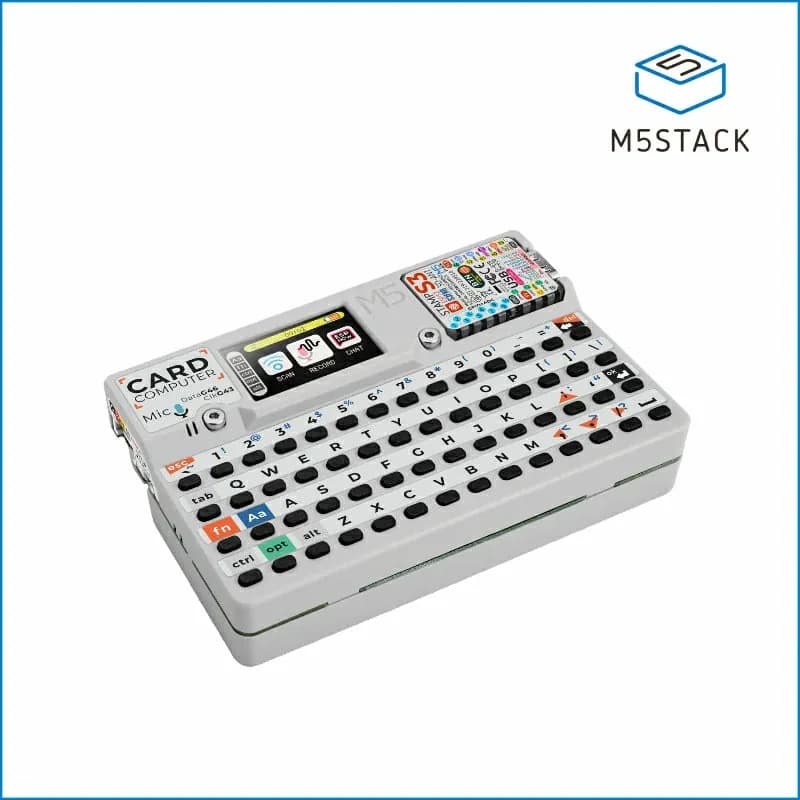
Pocket ESP32-S3 computer with a 56-key keyboard, 1.14-inch display, audio, infrared, microSD and expansion access.
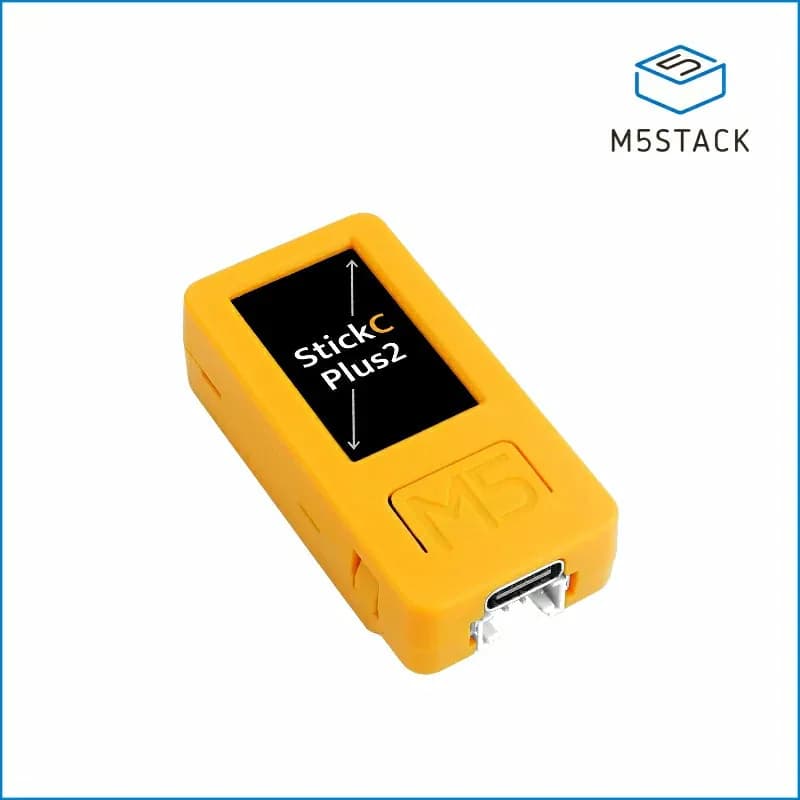
Compact battery-powered ESP32 controller with a 1.14-inch display, IMU, microphone, RTC, infrared emitter and buttons.
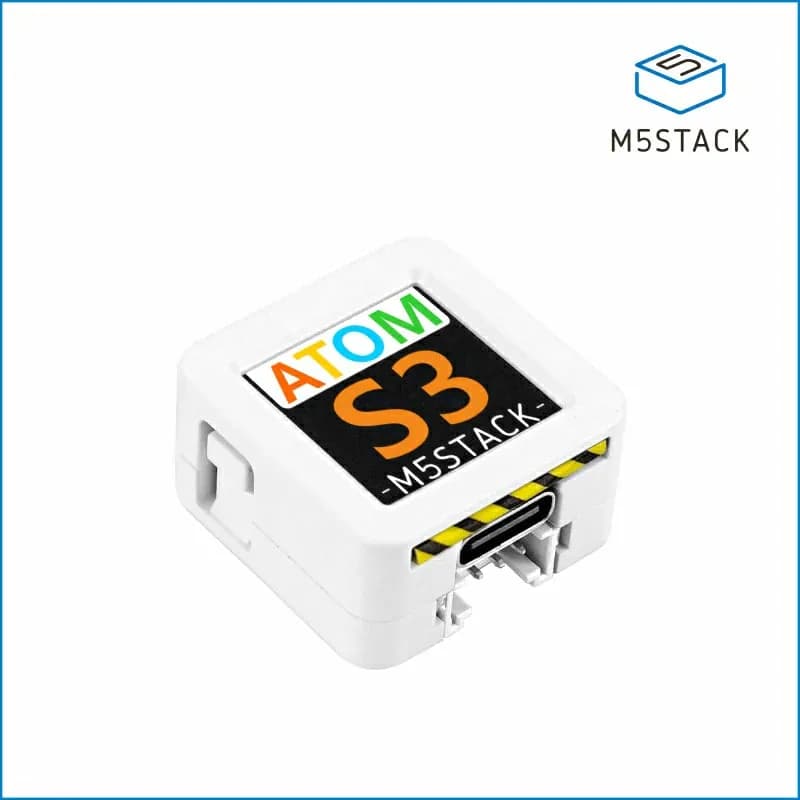
24 mm ESP32-S3 development controller with a 0.85-inch color display, programmable button, IMU and Grove connector.
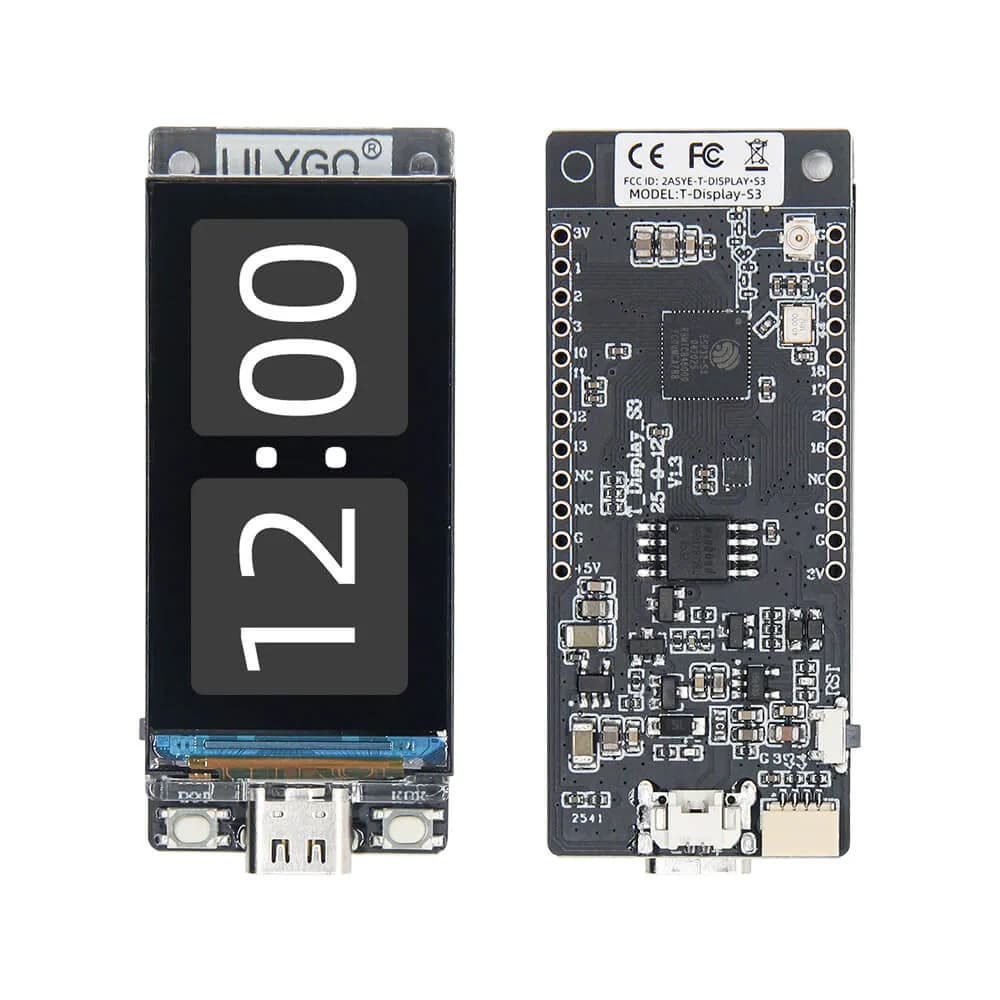
ESP32-S3 display board built around a 1.9-inch 170×320 color LCD, with buttons and battery support.
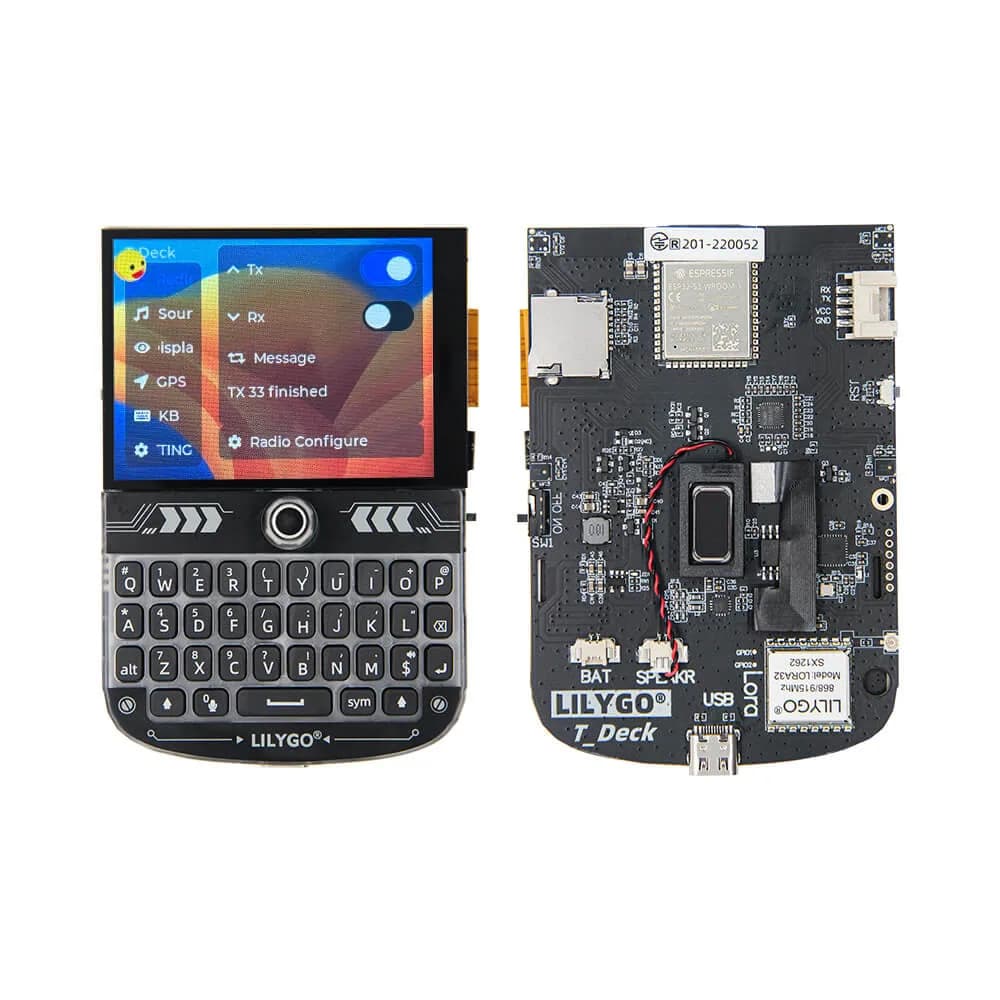
Pocket ESP32-S3 communicator platform with keyboard, trackball, 2.8-inch touchscreen, audio and optional LoRa radio.
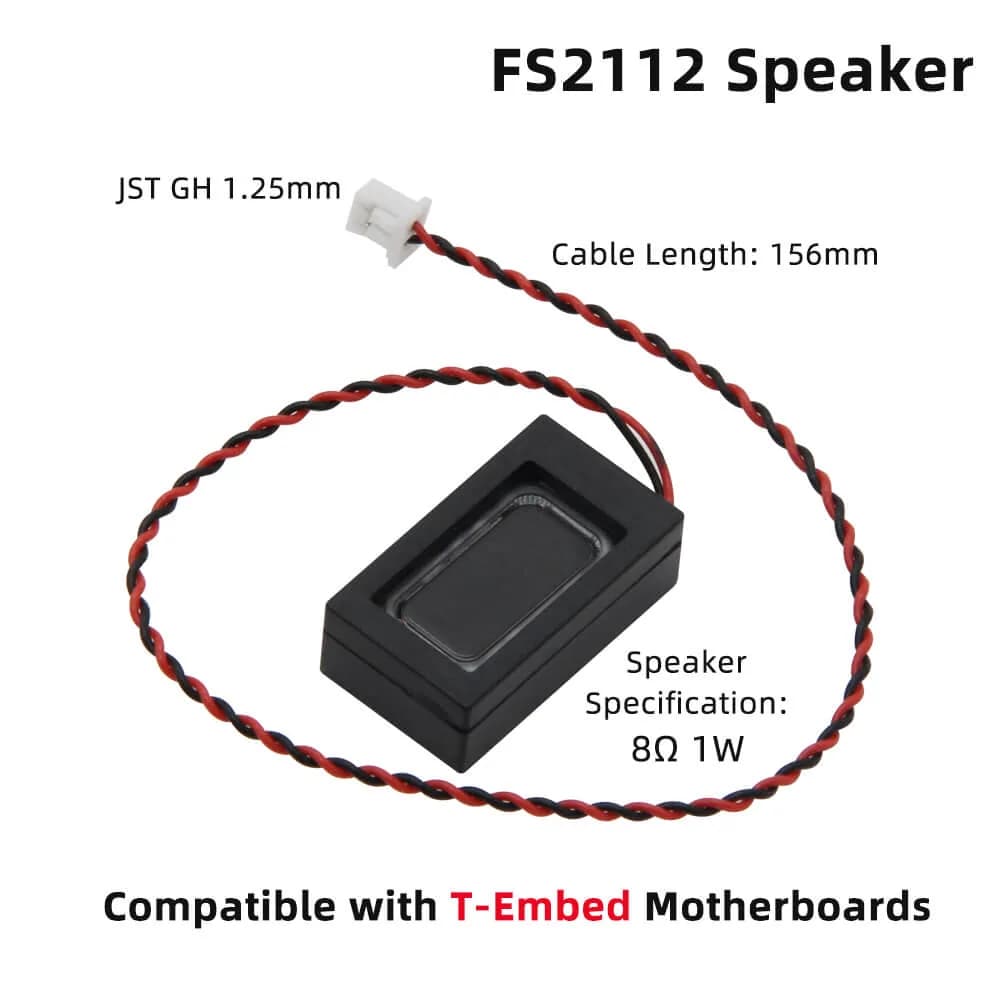
Handheld ESP32-S3 controller with a 1.9-inch screen, rotary encoder, audio and optional CC1101 Sub-GHz radio.
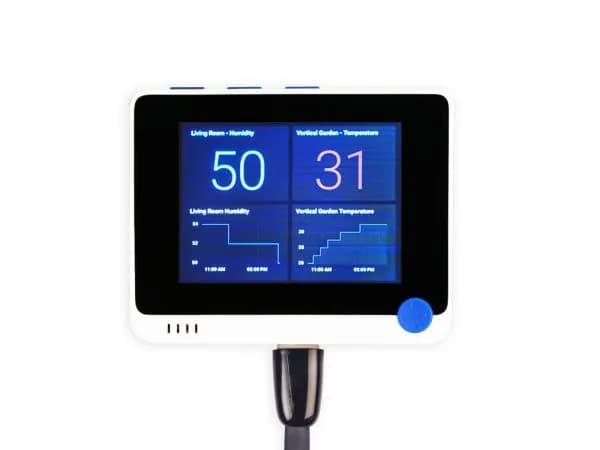
ATSAMD51 all-in-one development terminal with a 2.4-inch LCD, controls, sensors, wireless networking and Grove expansion.
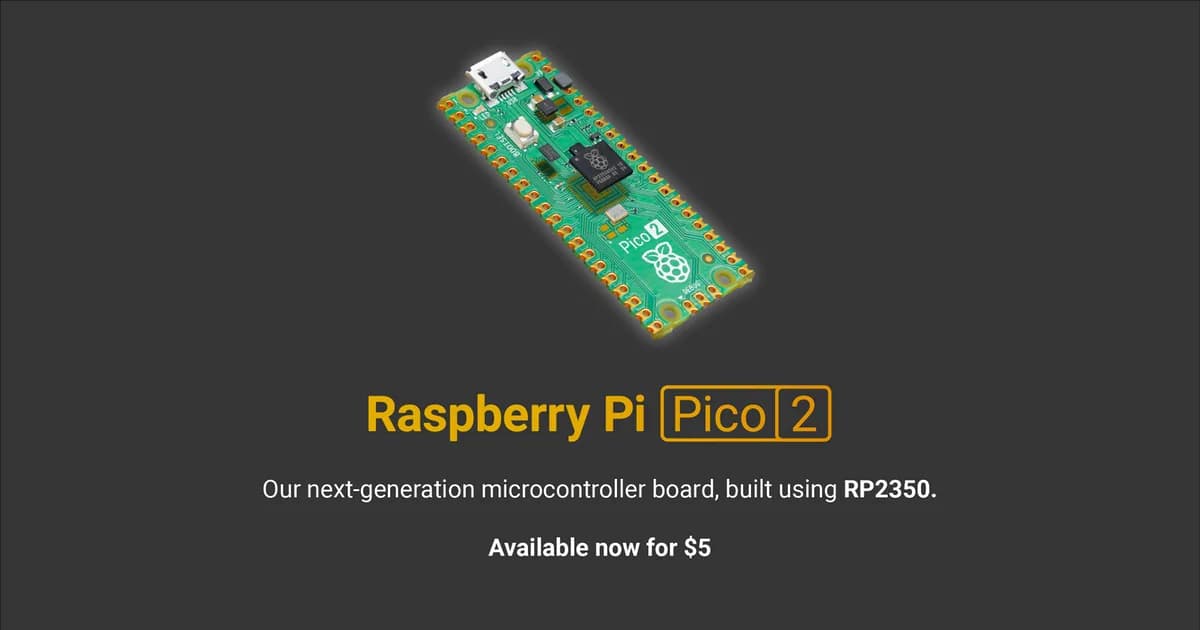
Wireless RP2350 microcontroller board with selectable Arm or RISC-V cores, 2.4 GHz Wi-Fi, Bluetooth and programmable I/O.
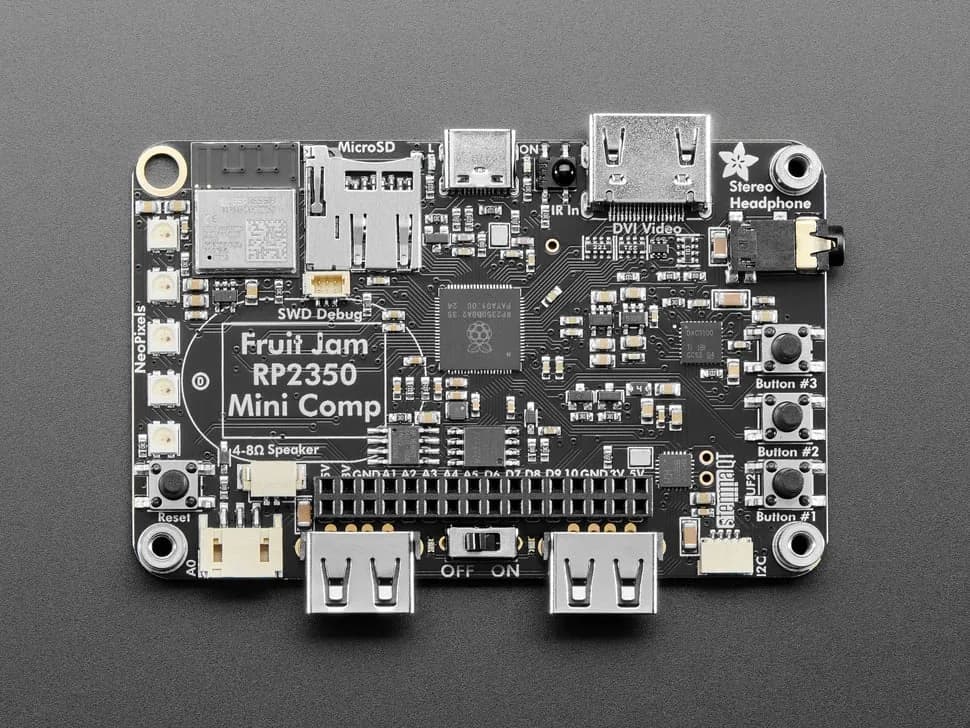
Credit-card-sized RP2350B computer board with DVI output, USB host, microSD, audio, Wi-Fi coprocessor and GPIO expansion.