Pi-hole network-wide ad blocker
Run a DNS sinkhole on a Raspberry Pi to block unwanted domains for devices across a home network.
View original project ↗What you’re building
Pi-hole is a Linux DNS sinkhole that blocks requests for configured unwanted domains before content reaches devices on the network. On a Raspberry Pi 5, Pi Zero 2 W, or Pi 400 running a supported Debian-family system, the installer deploys Pi-hole FTL, command-line administration, and a web dashboard. Once the router advertises the Pi-hole host as DNS, phones, computers, televisions, and other DHCP clients can receive network-wide filtering without individual browser extensions. The core constraint is network authority: merely installing the service does not route any client through it. The Pi should have a stable address, the router’s DHCP/DNS settings must be changed, and only one DHCP server should remain active if Pi-hole’s built-in DHCP fallback is used.
Key steps
- Install a supported Linux system on the Raspberry Pi and give the host a stable network address.
- Review and run Pi-hole’s official installer, choosing the interface, upstream DNS provider, and blocking options.
- Open the Pi-hole dashboard and confirm that the FTL service is running.
- Configure the router’s DHCP service to advertise the Pi-hole address as DNS; if that is impossible, disable router DHCP before enabling Pi-hole DHCP.
- Renew a client’s DHCP lease and verify its DNS queries and blocked domains appear in the dashboard.
Original project and code
Original project pages, manufacturer documentation and repositories used while preparing this page. Last reviewed .
Hardware for this project
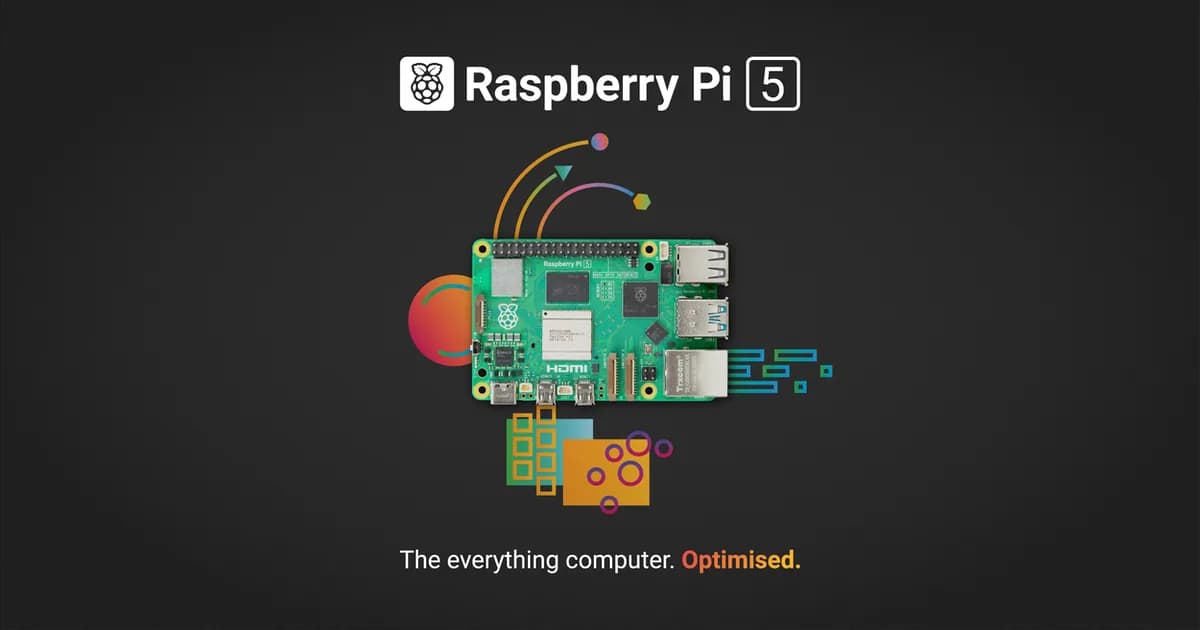
Raspberry Pi 5
General-purpose Linux single-board computer with a quad-core Cortex-A76 CPU, dual 4K display output, GPIO and PCIe expansion.
- Platform
- Broadcom BCM2712 quad-core Arm Cortex-A76, Raspberry Pi OS/Linux · Linux
- Builds
- 06
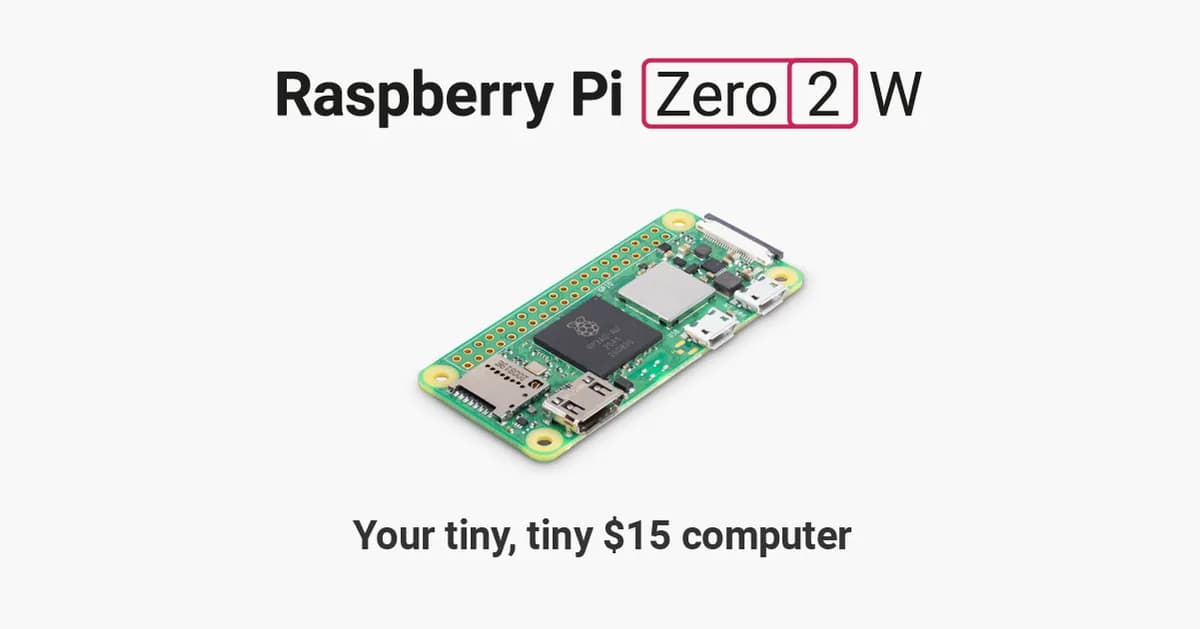
Raspberry Pi Zero 2 W
Compact Linux board with a quad-core Cortex-A53 processor, 512 MB RAM, Wi-Fi, Bluetooth and camera connectivity.
- Platform
- Raspberry Pi RP3A0 quad-core Arm Cortex-A53, Raspberry Pi OS/Linux · Linux
- Builds
- 07

Raspberry Pi 400
Raspberry Pi computer integrated into a compact keyboard, with GPIO, wireless networking and dual micro-HDMI output.
- Platform
- Broadcom BCM2711 quad-core Arm Cortex-A72, Raspberry Pi OS/Linux · Linux
- Builds
- 03