NEMO portal and Wi-Fi toolkit
ESP32 firmware combining captive-portal demonstrations, Wi-Fi test functions and infrared tools on supported M5Stack devices.
View original project ↗What you’re building
NEMO is Arduino-based firmware for several M5Stack ESP32 devices, including M5Cardputer and M5StickC Plus-family hardware. It combines defensive inspection modes—such as BadUSB Hunter, BLE advertisement monitoring, Wi-Fi deauthentication detection, and PineAP-style rogue-access-point detection—with Wi-Fi spam, infrared control, and a captive-portal demonstration. On Cardputer, the keyboard provides menu navigation and the microSD slot can store portal output; M5Stick variants have different controls and need extra hardware for SD logging. Installation can use official NEMO builds in M5Burner, a merged binary with esptool, or a source build through Arduino tooling. The expected outcome is a handheld diagnostic and demonstration menu, not a general-purpose network-security appliance. The critical constraint is lawful, consent-based use: the portal records submitted credentials, and the repository says it is for scoped professional engagements, education, or demonstrations, not collecting personal information without consent.
Key steps
- Select the exact target hardware: Cardputer uses the StampS3/Cardputer build and keyboard controls, while StickC models use their own board definitions and buttons.
- For the simplest installation, open M5Burner, select StickC or StampS3 as appropriate, search for NEMO, and choose the build uploaded by 4x0nn.
- Alternatively, install the M5Stack board package plus the matching device library and IRremoteESP8266 in Arduino IDE or Arduino CLI, then compile for the exact board.
- Flash the firmware, start it, and use Home, Next/Previous, and Select controls documented for that device to navigate the menu.
- Exercise detection or portal features only in a controlled lab; format an optional SD card as FAT if Cardputer logging is intentionally required, then securely remove test data.
Original project and code
Original project pages, manufacturer documentation and repositories used while preparing this page. Last reviewed .
Hardware for this project
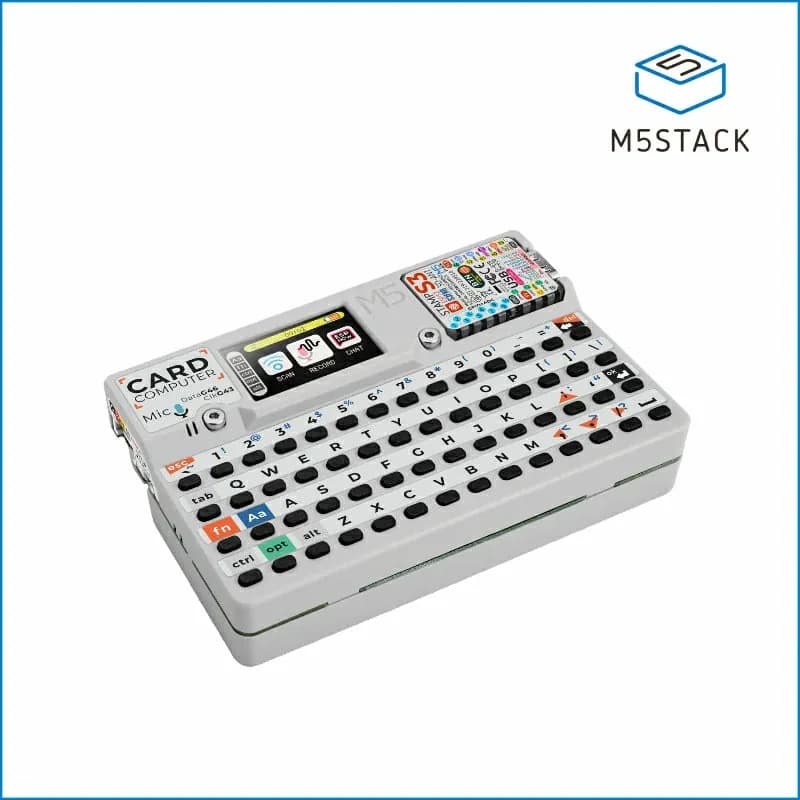
Cardputer
Pocket ESP32-S3 computer with a 56-key keyboard, 1.14-inch display, audio, infrared, microSD and expansion access.
- Platform
- Espressif ESP32-S3 (StampS3), Arduino/ESP-IDF/UIFlow
- Builds
- 06
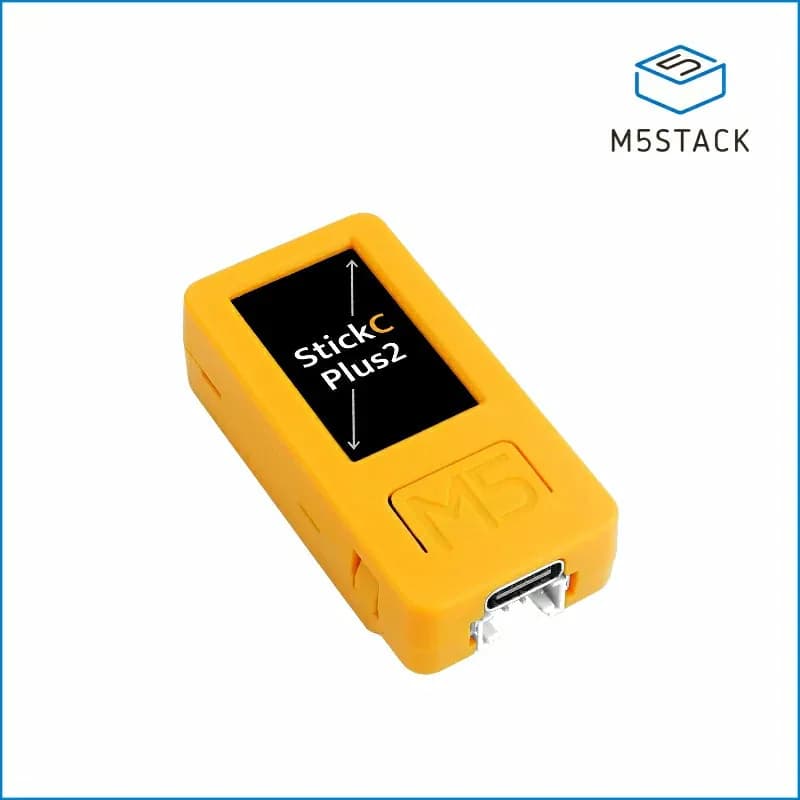
M5StickC PLUS2
Compact battery-powered ESP32 controller with a 1.14-inch display, IMU, microphone, RTC, infrared emitter and buttons.
- Platform
- Espressif ESP32-PICO-V3-02, Arduino/ESP-IDF/UIFlow
- Builds
- 04